There's no sign. No website. No Instagram page with professional food photos. Just a small, unremarkable door in a lane of the Jewish Ghetto — and almost always a queue outside. Those who know what awaits inside will queue anyway.
The History Behind the Tart
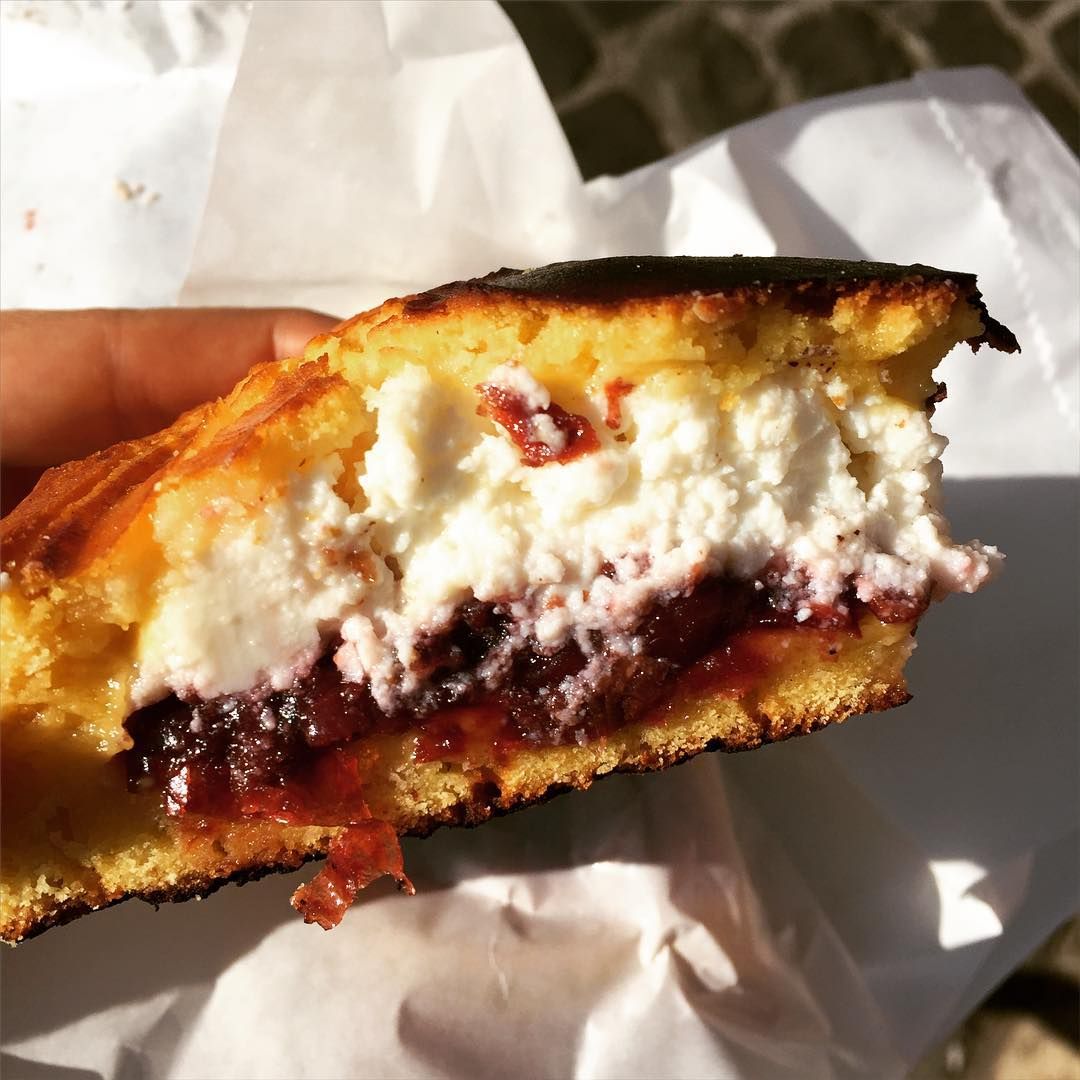
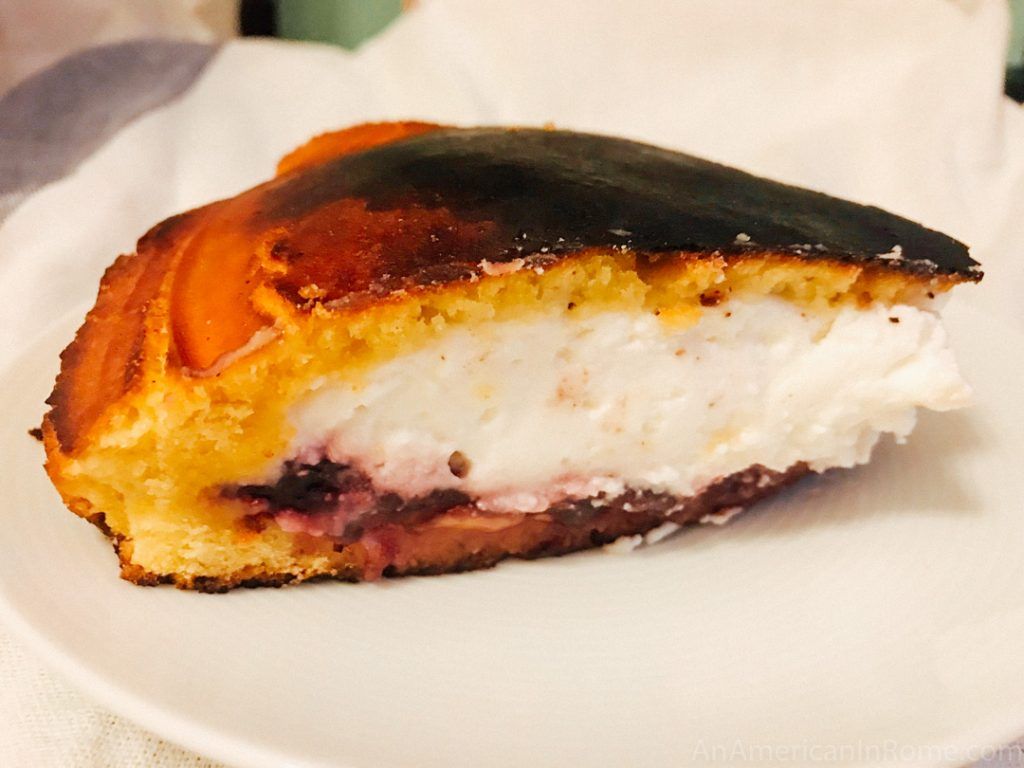
In 1555, Pope Paul IV issued a decree: Jews in the Ghetto were forbidden from selling dairy products. Ricotta — a cornerstone of Jewish-Roman cuisine — was officially banned. The bakers' solution was as simple as it was ingenious: they hid the ricotta. They baked it into a thick, fully enclosed pastry crust and mixed dark sour cherries throughout to disguise the white filling. No open lattice, no window — a completely sealed tart with a dark, almost burnt surface. The decree is centuries past. The tart remains — exactly as it was then.
What to Order
Go early. The most sought-after pieces sell out by afternoon. After 14:00 you'll often find only dry biscuits.
Crostata di Ricotta e Visciole — the headline act. Thick, dark, almost-burnt crust. Inside: creamy, lightly sweetened ricotta threaded with tart sour cherries. Unique in this form.
Pizza Ebraica — not pizza. A dense biscuit of almonds, pine nuts, candied and dried fruits. The recipe came with Jewish refugees from Sicily fleeing the Spanish Inquisition.
Hours & Info
Mon–Thu + Sun: ~8:00–15:30 · Friday: closes ~14:00 · Saturday: closed (Shabbat) · Via del Portico d'Ottavia 1, Jewish Ghetto
More desserts: → Two Sizes – the best tiramisu · → Il Maritozzaro